
How to Reduce Engineering Risk in Heavy Machinery Development


Improve Confidence Before Prototypes Reach the Field
Heavy machinery manufacturers face increasing pressure to reduce development risk, accelerate validation activities, and bring new products to market faster. At the same time, machine architectures continue to grow in complexity as hydraulic, mechanical, electrical, and control systems become more tightly integrated.
Physical testing remains a critical part of the development process, but identifying issues only after hardware is built can increase costs, delay schedules, and limit design flexibility.
Simulation-driven engineering provides development teams with an opportunity to evaluate system behavior earlier, helping engineers understand performance, validate assumptions, and make more informed decisions before equipment reaches the field.
Whether developing construction equipment, agricultural machinery, mining equipment, material handling systems, or other mobile machinery applications, engineering teams are increasingly turning to simulation to reduce uncertainty and improve development efficiency.
Engineering Challenges in Heavy Machinery Development
Modern equipment programs require engineering teams to answer increasingly complex questions throughout the development cycle.

Common challenges include:
Reducing physical prototype iterations
Accelerating design validation
Managing hydraulic system complexity
Understanding machine dynamics
Verifying control strategies
Improving machine performance
Supporting digital engineering initiatives
The ability to evaluate system behavior before physical testing begins can help teams make better engineering decisions and reduce project risk.
Hydraulic Analysis
Hydraulic systems remain at the core of many heavy machinery applications, directly influencing machine performance, efficiency, and reliability.
Simulation-based hydraulic analysis helps engineering teams investigate:

Dynamic flow behavior
Pressure response
Valve performance
Pump interactions
Actuator performance
Operational timing
By understanding these interactions earlier in the development process, teams can improve confidence in system performance before prototype testing begins.
Applications
Excavators
Wheel loaders
Agricultural equipment
Forestry machinery
Mining equipment
Material handling systems

Machine Dynamics & System Behavior
Machine performance is characterized by the interaction of mechanical systems operating under changing loads and operating conditions.
Engineering teams need to understand:
Dynamic loads
Structural interactions
Stability characteristics
Equipment response

Simulation provides insight into how machines behave throughout the operating envelope, helping engineers evaluate performance and identify potential issues before physical testing.

Applications
Ride and handling analysis
Stability evaluation
Boom and attachment dynamics
Controller Verification
Control systems play a critical role in modern machine development.
The interaction between controllers, hydraulics, and mechanical systems can significantly impact machine behavior, productivity, and operator experience.
Simulation-driven controller verification enables engineering teams to:
Evaluate control strategies
Investigate system response
Validate operating scenarios
Reduce commissioning risk
Improve engineering confidence

before software and hardware are deployed into real-world environments.

Applications
Electrohydraulic control systems
Motion control applications
Automated machine functions
Advanced operator assistance systems
Practical Digital Twin Applications
Digital twins are increasingly being adopted to support engineering activities beyond design validation.
When implemented effectively, digital twins can help organizations improve visibility into equipment behavior and support better operational decision-making. Practical applications include:
Virtual Sensing
Estimating values that are difficult or impractical to measure directly.
Condition Monitoring
Providing deeper insight into equipment health and performance.
Predictive Maintenance
Supporting maintenance planning through model-based analysis.
Operational Analysis
Improving understanding of machine behavior throughout the asset lifecycle.
The objective is not simply to build a digital twin. The objective is to create actionable engineering insight.
Why Engineering Teams Work With XPI
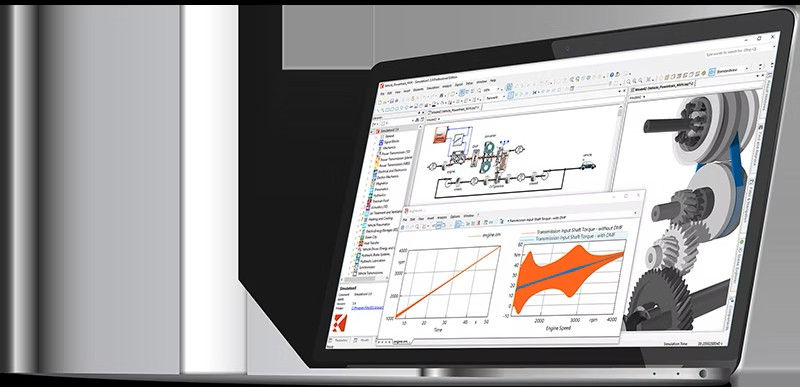
XPI helps engineering organizations apply SimulationX to solve practical development challenges across heavy machinery applications. Our team supports organizations with:
Hydraulic analysis
Machine dynamics
Controller verification
Digital twin development
Engineering consulting
Training and technical support

By combining simulation expertise with practical engineering knowledge, we help teams gain greater confidence in system performance before equipment reaches the field.
Discuss Your Application
Every machine presents unique engineering challenges.
Whether your team is evaluating hydraulic performance, investigating machine dynamics, validating control strategies, or exploring digital twin initiatives, we would welcome the opportunity to discuss your application.
Speak directly with an XPI engineer about your project, engineering objectives, and simulation requirements.

Comments